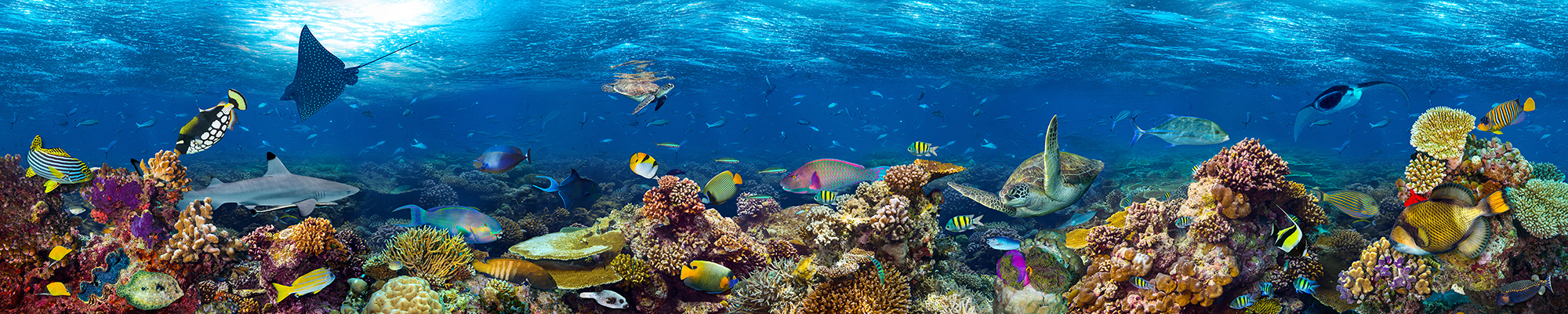
Unprecedented coral reef degradation from climate change, local impacts and disease requires time-critical development of innovative, cost-effective and ecologically grounded restoration strategies. Conventional restoration strategies to recover coral reef ecosystems largely focus on coral propagation, often de-prioritizing the broader ecological interactions that underpin reef resilience. However, coral reefs are complex ecosystems where other reef-associated organisms have fundamental and connected roles in nutrient cycling, biofiltration, pathogen control and microbiome stewardship. Integrating these key functional groups into restoration efforts in both the production phase (co-cultivation) and ecological recovery phase (ecological reconstruction) is required to advance coral restoration efforts toward more holistic coral reef ecological restoration frameworks. Integrating multi-trophic strategies provides a multifunctional, nature-based solution to enhance coral survival, mitigate disease outbreaks and promote overall ecosystem health. Here, we discuss the benefits of such a multi-trophic approach, where filter feeders, suspension feeders, detritivores and grazers are incorporated into the processes of reef restoration efforts. By leveraging positive species interactions based on facilitation theory, a multi-trophic approach provides a tool that not only enhances microbiome stewardship and coral reef restoration success but also reinforces the long-term sustainability of reef ecosystems in a changing climate.