16 April, 2026
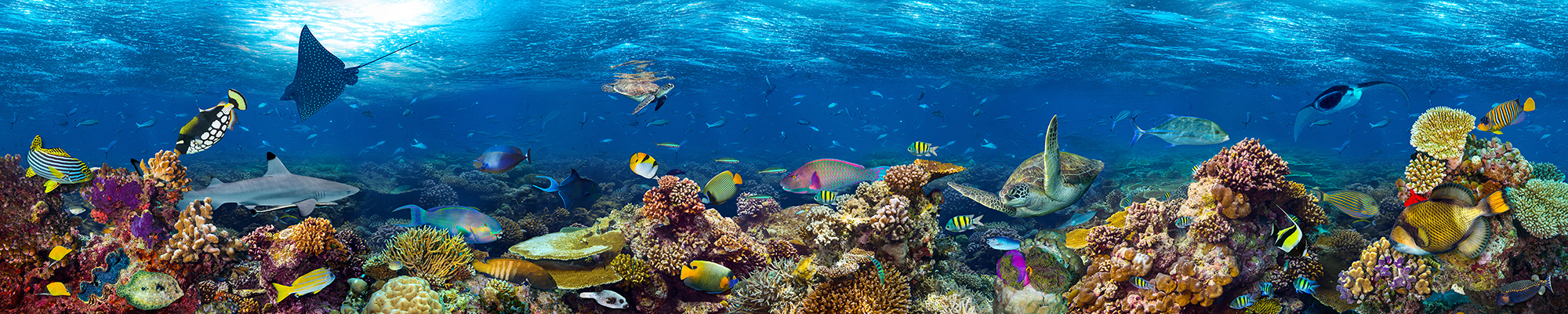
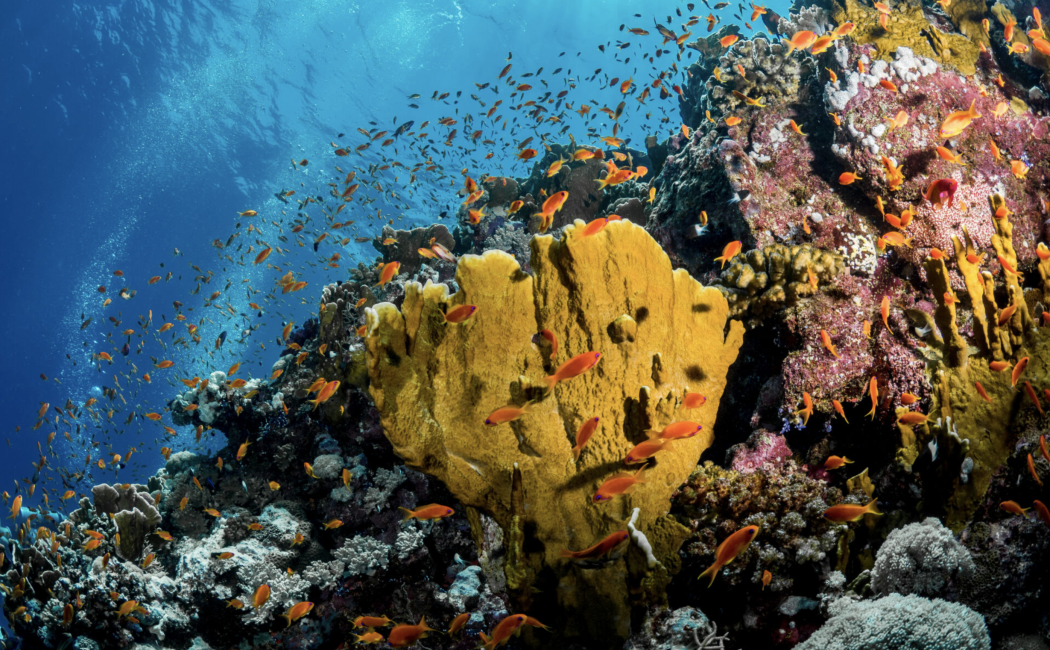
Coral reefs are entering an uncertain future as marine heatwaves become more frequent and intense. Along the shores of the Red Sea, researchers at KAUST are exploring how these ecosystems may persist through the century ahead.
Prof Raquel Peixoto's team is investigating how native probiotic bacteria can help corals withstand thermal stress. By restoring beneficial microbes that are lost during heatwaves, this approach aims to improve coral survival and maintain the biodiversity that depends on healthy reef systems.
Maggie Johnson focuses on crustose coralline algae, the often-overlooked “pink rocks” that act as the glue holding reefs together. These algae stabilize reef structures, support coral recruitment, and play a critical role in reef recovery, yet recent bleaching and disease events suggest they too are vulnerable to a warming ocean.
David Suggett is leading the development of the world’s first coral reef digital twin-a living, data-driven replica of a reef ecosystem. By combining underwater mapping, environmental sensors, and machine learning, the platform can help predict how reefs may respond to restoration efforts and future heat stress.
Jessica Zamborain-Mason examines the connection between reef health, fisheries, and human well-being. Her work highlights how sustainably managed reef fisheries can support food security and nutrition, while helping communities adapt to a changing climate.
Together, these efforts reflect a growing shift in coral reef science. The question is no longer whether reefs need intervention, but how, where, and with which tools we can give them the best chance to survive.
Please read more at:
https://discovery.kaust.edu.sa/en/article/26756/buying-time-for-coral-reefs/